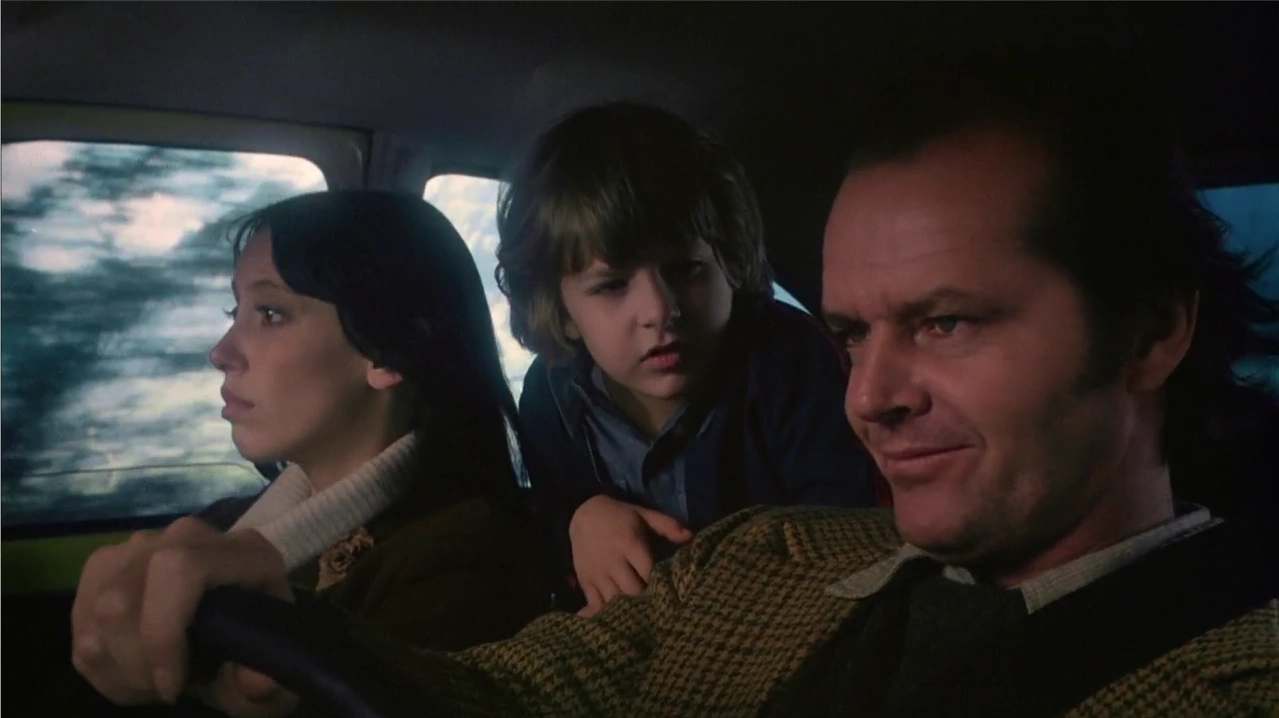
Jack:
White man's burden, Lloyd my man.
thematic reflection,
“The White Man’s Burden” is Rudyard Kipling’s 1899 poem urging the United States toward colonial rule in the Philippines after the Spanish-American War. It belongs to a longer history of U.S. expansion, not the beginning of all American imperialism.
“In February 1899, British novelist and poet Rudyard Kipling wrote a poem entitled “The White Man’s Burden: The United States and The Philippine Islands.” In this poem, Kipling urged the U.S. to take up the “burden” of empire, as had Britain and other European nations. Published in the February, 1899 issue of McClure’s Magazine, the poem coincided with the beginning of the Philippine-American War and U.S. Senate ratification of the treaty that placed Puerto Rico, Guam, Cuba, and the Philippines under American control. Theodore Roosevelt, soon to become vice-president and then president, copied the poem and sent it to his friend, Senator Henry Cabot Lodge, commenting that it was “rather poor poetry, but good sense from the expansion point of view.” Not everyone was as favorably impressed as Roosevelt. The racialized notion of the “White Man’s burden” became a euphemism for imperialism, and many anti-imperialists couched their opposition in reaction to the phrase.”
Despite its more nuanced message, the phrase “the white man’s burden” became a euphemism for imperialism.
Used in this way, Kubrick conflates the patriarchal nature of Kipling’s poem with Jack’s frustration with his family (being the head of his household and not having full control over it).
Take up the White Man’s burden—
Send forth the best ye breed—
Go send your sons to exile
To serve your captives' need
To wait in heavy harness
On fluttered folk and wild—
Your new-caught, sullen peoples,
Half devil and half child
Reflects No.53—D:Image 1124, in both Grady being British (not discussed in the original source novel or in No.5) and how Grady and Jack blame Danny and Wendy in disobeying Jack’s wishes. All of this pushes the American History narrative along with the Abuse narrative. (And the Abusive aspects of American History).
In this image · No.9
Cultural Relativism
Direct reflection of No.53 and what “survival” is for Jack.
Perhaps this line/justification mirrors Jack’s distorted mind’s justification of harming his own family in order for his own success / survival. While The Donner Party is the well known example of Americans practicing cannibalism out of survival, it also relates to the European practice of eating corpses and mummies for medicine. “In order to stay alive”.
It is interesting when you think of things this way, it pairs with No.11, “All the best people” in front of the Chief painting. Reiterating the Cultural Relativism of Native Americans and African Americans as “savages”, therefore justifying white people’s treatment of and behavior toward them. No.47, “White Man’s Burden”.