The dynamic between Wendy and Jack Torrance in Stephen King's novel "The Shining" differs significantly from the dynamic portrayed in Stanley Kubrick's film adaptation. Here's a comparison of the two:
In Stephen King's novel:
- Stronger Emotional Connection: The relationship between Wendy and Jack is depicted with more depth and complexity in the novel. Despite their marital problems and Jack's struggles with alcoholism, there is a sense of genuine love and care between them. Wendy is portrayed as empathetic and understanding, often trying to support Jack in his efforts to overcome his demons.
- Wendy's Empowerment: Throughout the novel, Wendy is an actual character who undergoes significant character development. She starts as a somewhat timid and insecure character but gradually becomes more assertive and resourceful as the story progresses.
- Jack's Struggle with Inner Demons: Jack's character in the novel is portrayed as a man tormented by his past mistakes and personal demons. His descent into madness is depicted as a gradual process influenced by the malevolent forces of the hotel. There are moments of sympathy for Jack, as his struggles with alcoholism and feelings of inadequacy are explored in more detail.
In Stanley Kubrick's film adaptation:
- Strained Relationship: The relationship between Wendy and Jack in the film is portrayed as more distant and strained from the beginning. There is less emphasis on their emotional connection, and Jack's descent into madness is depicted as more abrupt and disconnected from his family.
- Wendy's Depiction: Wendy's character in the film is portrayed as more fragile and submissive compared to her depiction in the novel. She is often depicted as nervous and hysterical, with less agency in confronting the horrors of the Overlook Hotel. This portrayal has been a subject of criticism, with some viewers finding it lacking in depth compared to the novel's depiction of Wendy as a more empowered character.
- Jack's Transformation: Jack's transformation into a menacing figure in the film is more immediate and pronounced. While there are hints of his inner turmoil and struggles, the film focuses more on his violent and erratic behavior as he becomes increasingly influenced by the supernatural forces of the hotel.
Overall, while both the novel and the film explore themes of family, isolation, and madness, the dynamics between Wendy and Jack Torrance differ significantly between Stephen King's original vision and Stanley Kubrick's cinematic interpretation.
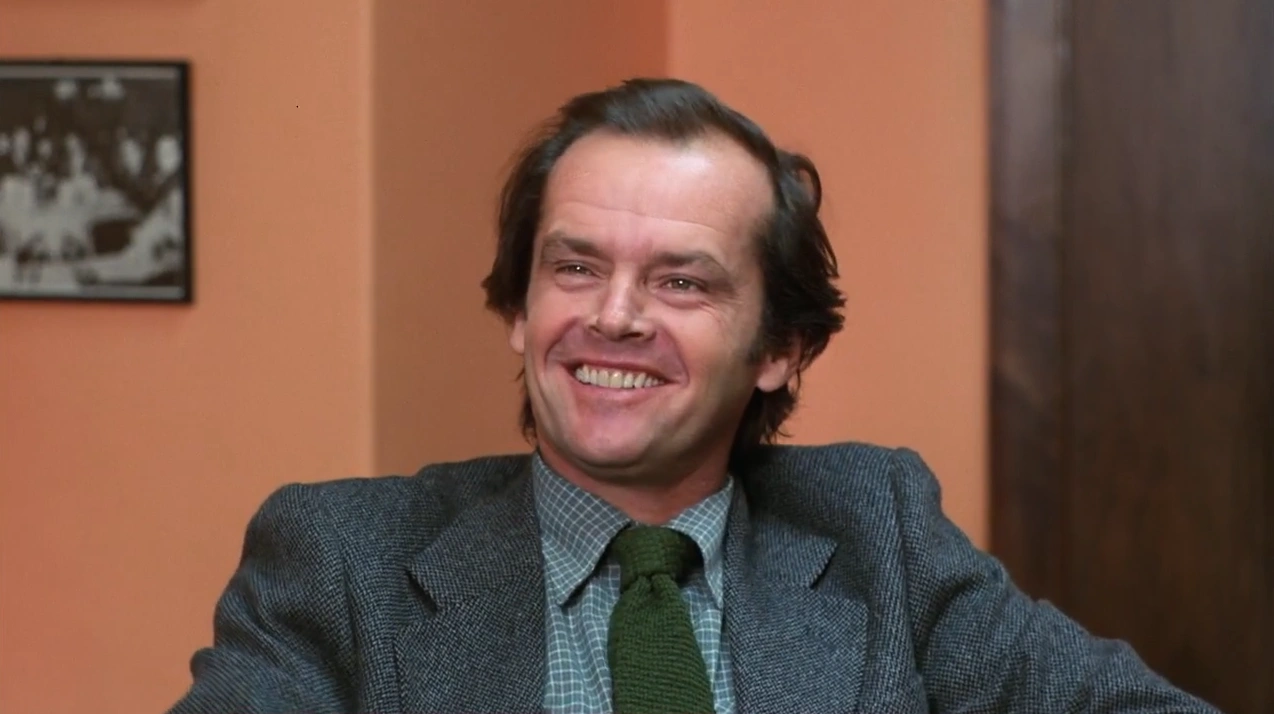
In this image · No.5
The viewer doesn’t know it yet, but Jack lies about his wife. It’s understandable (and an easy boundary violation signifying how abuse works), but it isn’t until A Month Later (No.24) where Wendy shows the viewer who she is. It’s in this lie that we see Jack doesn’t care about his wife and son, and it’s how the viewer knows Jack’s point of view can’t be trusted.